Buying guide
Best automatic litter box for multiple cats (2026)
By Willa Bergman · Reviews editor · Reviewed by Simon Draper
Last updated
We earn commissions from links on this page, at no cost to you. Our picks stay independent. Prices are indicative and were last checked around publication — they change often, so confirm the current price on the retailer’s site. How we research & rank →
Our picks
Ranked, with the trade-offs

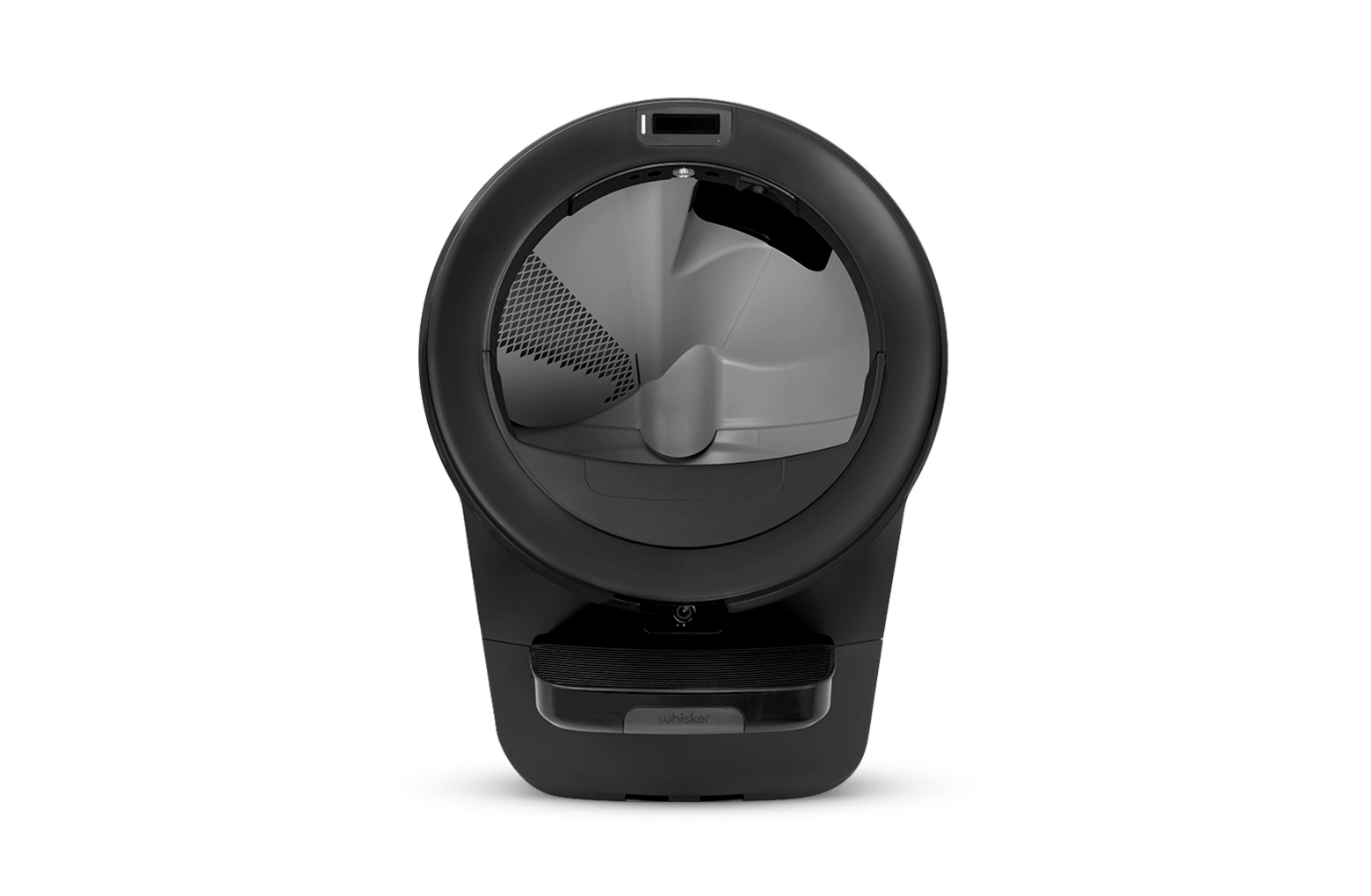
Whisker Litter-Robot 4
from
$699
A globe-style self-cleaning litter box built to serve up to four cats from one unit.
Pros
- + Wide opening and spacious globe interior suit cats of many sizes
- + Tracks individual cat weight and visit habits in-app
- + Sealed, carbon-filtered waste drawer meaningfully cuts odor
Cons
- – Drawer full-sensor can misread and pause cycling until recalibrated
- – Large footprint requires a dedicated floor space
Whisker Litter-Robot 5 Pro
from
$899
The flagship dual-camera robot litter box with waste-type detection for advanced multi-cat monitoring.
Pros
- + Distinguishes cat identity by face, useful when cats have similar weights
- + WasteID adapts cycle timing for urine vs. solid waste to control odor
- + Larger waste drawer than earlier generations reduces emptying frequency
Cons
- – Full camera/AI feature set requires an ongoing app subscription
- – Highest-priced model in the current lineup

Whisker Litter-Robot EVO
from
$599
A more compact version of Whisker's robot litter box designed for smaller multi-cat homes.
Pros
- + Smaller footprint fits tighter spaces than the Litter-Robot 4/5
- + Same core sifting and odor-sealing technology as pricier models
- + Simple, beginner-friendly setup and app
Cons
- – Only rated for up to two cats, not ideal for larger colonies
- – Fewer advanced sensors than the 4 or 5 series
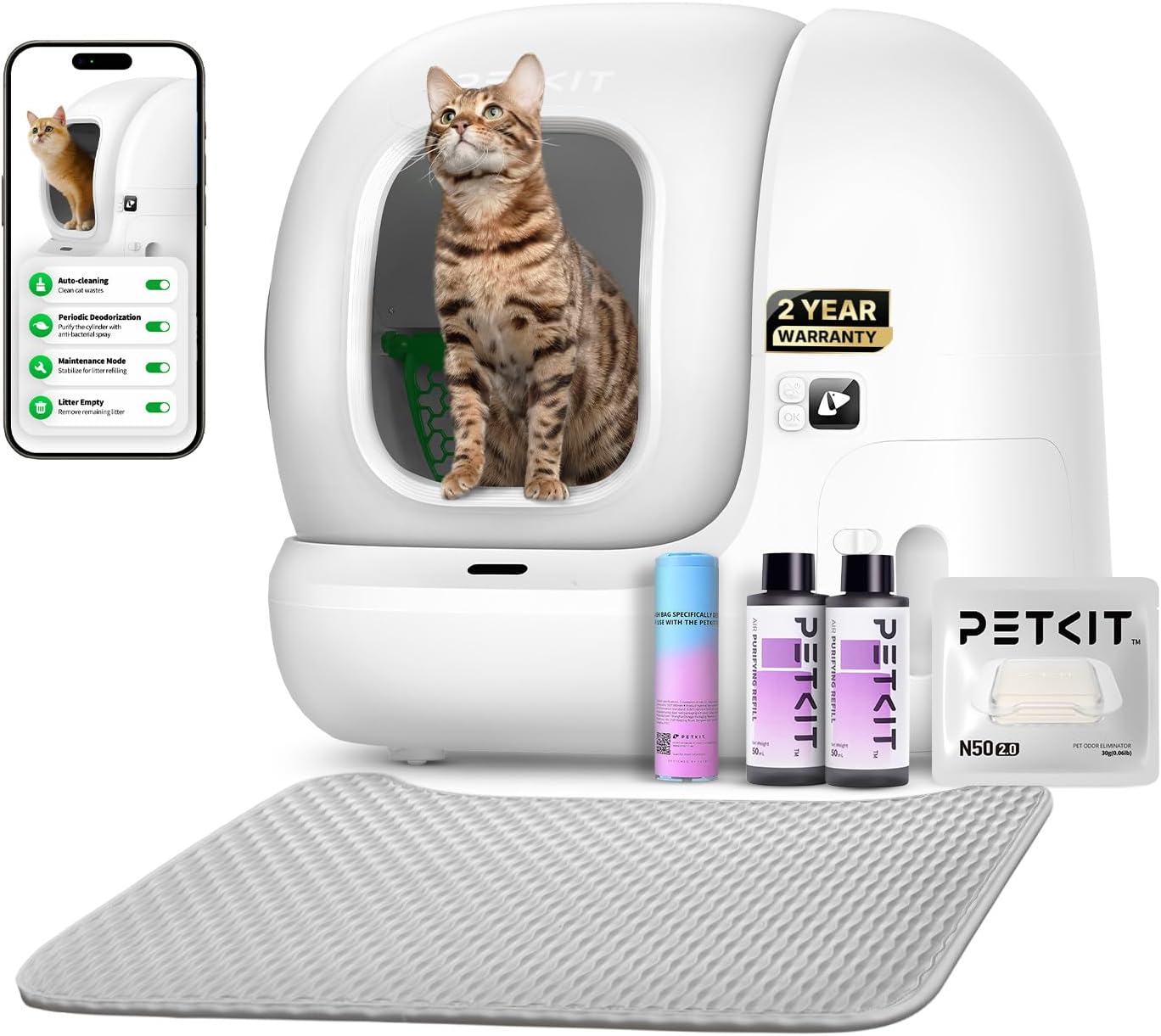
PETKIT PuraMax 2
from
$329
A low-entry, sealed-cylinder self-cleaning box with triple odor control built for multi-cat homes.
Pros
- + Sealed 360° cylinder base resists leaks even from elevated urination
- + Low entry threshold suits smaller or older cats
- + App logs individual cat visits and flags unusual behavior
Cons
- – Not compatible with crystal litter
- – Some owners report a learning curve during initial setup

PETKIT Pura X Smart Box
from
$379
A compact, minimalist rotating-drum litter box with multi-sensor safety and weight-based cat tracking.
Pros
- + Sleek, space-efficient cube shape fits small rooms
- + Multi-sensor system reliably detects cats to pause cycles
- + Weight-tracking display helps differentiate cats in the app
Cons
- – Entrance sits about a foot off the ground, less ideal for large or elderly cats
- – Interior can feel cramped for two larger cats sharing the unit

Petlibro Luma Camera Box
from
$599
An open-top smart litter box with AI camera monitoring that distinguishes urine from feces for each cat.
Pros
- + Open-air layout is comfortable for cautious or timid cats
- + Logs and names each cat's individual visits automatically
- + Carbon-filtered airflow runs continuously for odor control
Cons
- – Full AI waste analysis and extended video history require a paid subscription
- – Bulkier footprint than simpler open-top boxes

PetSafe ScoopFree Crystal Pro
from
$119
A rake-style crystal-litter box that automates cleaning cycles using a disposable tray system.
Pros
- + Motion-sensor cycle timing proved reliable and consistent in testing
- + Disposable tray keeps hands-off cleanup extremely simple
- + Compact footprint compared to globe-style robots
Cons
- – Only works with proprietary crystal litter, not clumping clay
- – Smaller waste capacity than high-end multi-cat robots

Meowant SC09 Extra-Large
from
$300
An oversized-capacity open litter box designed to handle heavy multi-cat traffic with a quiet motor.
Pros
- + Very large drum reduces how often the box needs attention with several cats
- + Low-profile entry accommodates senior cats and short-legged breeds
- + Can operate without WiFi if app connectivity isn't wanted
Cons
- – Side waste compartment is smaller than under-base drawer designs
- – Bulky footprint despite the low entry height
The verdict
Our top picks at a glance
Multi-cat households wanting a proven, high-capacity robot with detailed per-cat health tracking
Owners who want camera-based cat identification and the most advanced health insights across several cats
Households with one to two cats who want Whisker's self-cleaning tech in a smaller footprint
Multi-cat families wanting a low-entry design plus long stretches between waste-bin emptying
At a glance
How they compare
| Spec | Top pickWhisker Litter-Robot 4 | Whisker Litter-Robot 5 Pro | Whisker Litter-Robot EVO |
|---|---|---|---|
| Price | $699 | $899 | $599 |
| Capacity | Up to 4 cats per unit | — | Up to 2 cats |
| Weight range | 3-25 lbs | 3-30 lbs | 3-19 lbs |
| Check price → | Check price → | Check price → |
Top 3 of 8 shown — full shortlist above.
The short answer
For most multi-cat households, the Litter-Robot 4 is the pick to beat: it’s rated for up to four cats, has the largest track record of any robot box on this list, and its sealed, carbon-filtered drawer handles the odor load that comes with several cats sharing a home. If you want camera-based identification of individual cats and are willing to pay more and manage a subscription, the Litter-Robot 5 Pro goes further. If your budget is tighter, the MEOWANT MW-SC09 gives you a genuinely oversized drum for a fraction of the price.
Before you buy any of these, understand that no single automatic box, no matter how large, replaces the veterinary-recommended N+1 rule. AAHA’s 2021 Feline Life Stage Guidelines and other feline behavior consensus still call for one litter box per cat plus one extra, placed in separate locations rather than clustered together. A single high-capacity robot serving three or four cats is convenient, but cats read boxes as territorial resources, and a dominant cat can guard one unit and block the others from using it. The products below are about reducing your scooping and odor burden, not about consolidating a multi-cat household down to one box.
Litter-Robot 4: the proven high-capacity pick
The Litter-Robot 4 is built to serve up to four cats from a single unit, with a wide opening and spacious globe interior that accommodates cats of very different sizes (its stated weight range runs 3-25 lbs). It connects over 2.4GHz WiFi to the Whisker app, which logs individual cat weight and visit habits, useful for catching early signs that one cat is using the box more or less than usual. The waste drawer is sealed and carbon-filtered, which meaningfully cuts odor compared to open-tray designs. This matters since multi-cat homes generate roughly 0.5 lb of waste per cat per day, or around 10.5 lbs a week for three cats.
The honest downside: the drawer’s full-sensor can misread and pause cycling until you recalibrate it, which is one of the more common complaints in owner reviews. It also has a large footprint and needs dedicated floor space, something to plan for if you’re already placing multiple boxes around the house per the N+1 rule.
Best for: multi-cat households that want a proven, high-capacity robot with detailed per-cat health tracking.
Litter-Robot 5 Pro: the most advanced monitoring, at a price
The Litter-Robot 5 Pro is Whisker’s flagship, and the headline feature is AI facial recognition that can identify up to five individual cats by face rather than just weight, which matters if you have cats of similar size. Its dual integrated 1080p night-vision cameras and WasteID technology distinguish urine from solid waste and adjust cycle timing accordingly, and its full-color LCD display puts more information at a glance than earlier generations. The waste drawer is also larger than previous models, which reduces how often you need to empty it. Weight range is 3-30 lbs, giving it slightly more headroom than the Litter-Robot 4.
The trade-offs are straightforward: this is the highest-priced model in the current lineup, and getting the full camera and AI feature set requires an ongoing app subscription. That’s a real recurring cost on top of the purchase price, so it only makes sense if you’ll actually use the identification and health-monitoring features rather than the basic self-cleaning cycle alone.
Best for: owners who want camera-based cat identification and the most advanced health insights across several cats.
Litter-Robot EVO: right-sized for smaller multi-cat homes
The EVO shrinks Whisker’s self-cleaning technology into a more compact, streamlined enclosure, and it’s rated for up to two cats rather than four. It keeps the same core sifting mechanism and sealed, carbon-filtered odor control as its pricier siblings, plus a 7-day activity and weight history in the app, and its setup and interface are noticeably more beginner-friendly. Weight range is 3-19 lbs.
The catch is right there in the capacity rating: it’s not built for larger colonies, and it skips some of the more advanced sensors found on the 4 and 5 series. If you have exactly two cats and want Whisker’s tech without the larger footprint, this is the sensible middle step. For three or more cats, look elsewhere on this list.
Best for: households with one to two cats who want Whisker’s self-cleaning tech in a smaller footprint.
PETKIT PuraMax 2: low entry, long stretches between emptying
The PuraMax 2 uses a sealed 360° cylinder base that resists leaks even from cats who spray or urinate from an elevated stance, a real problem for open-tray designs in multi-cat homes. Its 7L waste bin is rated for up to 15 days of capacity, and the low-threshold, spacious opening suits smaller or older cats who might struggle with a globe-style entry. Triple deodorization plus an optional scent cartridge adds another layer of odor control, and the PETKIT app tracks per-cat usage and weight, flagging unusual behavior.
It’s not compatible with crystal litter, so if you’ve settled on that litter type, this one’s off the table. Some owners also report a learning curve during initial setup. At a lower price than the Litter-Robot line, it’s a reasonable middle ground for multi-cat homes that don’t need four-cat capacity in one unit.
Best for: multi-cat families wanting a low-entry design plus long stretches between waste-bin emptying.
PETKIT Pura X: compact and stylish, but not for big cats
The Pura X is built for small spaces: a sleek, cube-shaped rotating-drum design with thermal, infrared, weight, and anti-pinch sensors working together to reliably detect cats and pause cycling. It pairs WiFi and Bluetooth connectivity with a weight-tracking display that helps differentiate between cats in the app, and its built-in odor-eliminating spray adds active odor control rather than relying on filtration alone.
Its entrance sits about a foot off the ground, which is less ideal for large or elderly cats, and the interior can feel cramped if two bigger cats are sharing it. This is really a one-or-two-cat unit dressed up for apartments, not a serious multi-cat workhorse.
Best for: owners in smaller apartments who want a stylish, tech-forward box for one or two cats.
PETLIBRO Luma: best for nervous cats in a crowded house
The Luma takes the opposite design approach from the globe-style robots: an open-top, low-entry layout that gives cats clear sightlines and an easy exit, which matters in multi-cat homes where a cornered cat can’t retreat from a rival. Research from Grigg et al. (2013) and others shows cats generally prefer open-top boxes over enclosed ones when size and cleanliness are equal, since covered designs trap odor and can create confinement stress, particularly for subordinate cats.
The Luma backs this open design with visual, weight, and infrared sensors, AI waste analysis that distinguishes urine from feces, and multi-cat recognition rated for up to 10 cats, automatically logging and naming each cat’s visits. Waste capacity is rated to hold up to 7 days for two cats. The catch is that full AI waste analysis and extended video history require a paid subscription, and its footprint is bulkier than a simpler open-top box.
Best for: nervous or scaredy cats in multi-cat homes, and owners wanting video-based health monitoring.
PetSafe ScoopFree Crystal Pro: the low-tech way to test automation
This is the simplest and least expensive box here, using a rake mechanism and a disposable crystal-litter tray rated for up to 30 days. The rake activates 20 minutes after a cat exits, and the crystals absorb urine and dehydrate solids for reasonably effective odor control given how little hardware is involved. It’s a compact footprint compared to globe-style robots and about as hands-off as cleanup gets, since you’re replacing a tray rather than emptying a drawer.
The limitations are real: it only works with proprietary crystal litter, not clumping clay, and its waste capacity is much smaller than the high-end multi-cat robots on this list. This isn’t a box for three or four cats sharing one unit; it’s a good way to try automation cheaply, or to serve as one unit within an N+1 setup.
Best for: owners easing into automation who prefer a compact, low-tech, tray-based system.
MEOWANT MW-SC09: the budget pick with real capacity
At a noticeably lower price than the Litter-Robot line, the MEOWANT MW-SC09 still delivers a genuinely large 106L drum capacity, which reduces how often the box needs attention even with heavy multi-cat traffic. Its motor is rated at an ultra-quiet 35-38dB, relevant given that individual cats vary widely in noise sensitivity regardless of a unit’s decibel spec. Weight sensors identify up to six cats, its low-profile entry suits senior cats and short-legged breeds, and it’s compatible with bentonite, tofu, mixed, and crystal litter. It also works offline if you don’t want app connectivity at all.
The compromise is in where the waste goes: its side waste compartment is smaller than the under-base drawer designs used by Litter-Robot and PETKIT, so despite the huge drum, you may still empty waste more often than the capacity numbers suggest. It’s also bulky despite its low entry height.
Best for: larger multi-cat households needing extra litter and waste capacity between cleanings.
How to choose for a multi-cat home
A few things matter more here than brand reputation:
- Don’t buy one box for everyone. Veterinary guidance is consistent: one box per cat plus one extra, in separate locations, not lined up side by side. A single automatic box for three or more cats increases territorial conflict even if it never jams.
- Match litter type to the machine. Automatic boxes are engineered around manufacturer-recommended clumping clay. Heavy or overly dense litter exhausts motors, and ultra-heavy litter can trip thermal fuses or throw off sensor calibration. Check compatibility (the PuraMax 2, for instance, doesn’t work with crystal litter) before you buy litter in bulk.
- Fill to the line, not past it. Optimal depth is 2-3 inches. Overfilling strains the mechanism and can make the sensor think a cat is permanently inside, triggering false errors.
- Budget for maintenance you can’t automate away.
Keep reading
- Automatic litter box
- Baxton Studio Elie 2-Door Cat review
- Meowant self-cleaning cat litter box
- Feandrea Double Cat Litter Box review
- Litter robot 4 self cleaning cat litter box
- Merry Products Cat Litter Loo review
- Cats fighting over litter box
- Baxton Studio Elie 2-Door Cat vs Merry Products Cat Litter Loo
Sources
- AAHA 2021 Feline Life Stage Guidelines - General Litter Box Considerations
- Litter Box Size and Litter Type Preference Study
- PetKit - How to Choose the Best Automatic Litter Box for Multi-Cat Households (2026)
- Litter-Robot - Best Litter Box for Multiple Cats
- PetPivot - Large Automatic Litter Boxes for Multiple Cats (2026)
- Grand View Research - Automatic Self-Cleaning Cat Litter Box Market Report
- CNN Underscored - Best Self-Cleaning Litter Boxes (tested, veterinarian-reviewed)
- Mud Bay - Why One Litter Box Isn’t Enough (veterinary sources cited)
- Texas A&M School of Veterinary Medicine - A Guide To Litter Box Etiquette
- Veterinary Partner - Choosing the Right Litterbox for Your Cat
- Bestie Paws - Best Self-Cleaning Litter Box for Multiple Cats (veterinary guidance)
- HomerunPET - 7 Automatic Litter Box Problems & How to Fix Them